 Skip to content

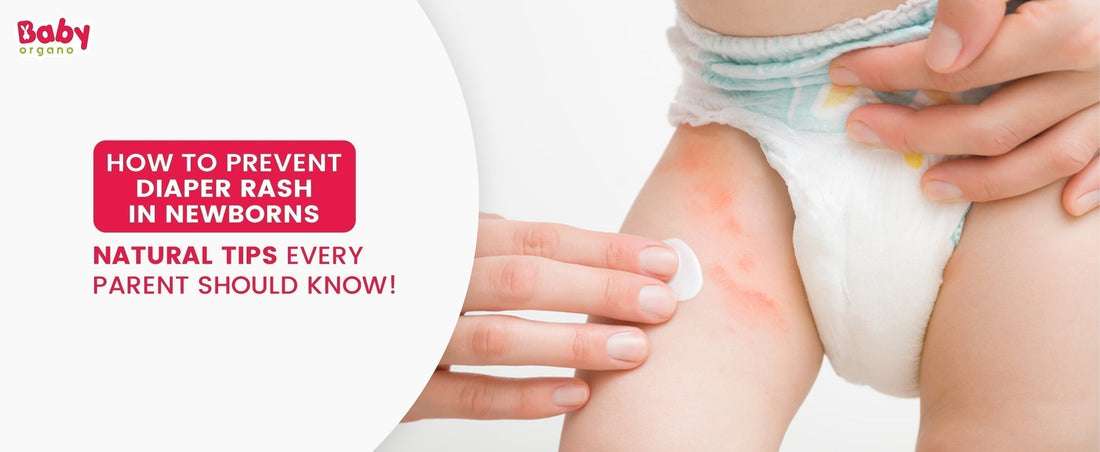
Diaper Rash Treatment for Babies & Newborns: Complete Ayurvedic Guide (2026)
- by Dr. Rajshree Singhatiya
- 6 min 50 sec
Table of Contents
Diaper rash treatment for babies doesn't have to mean harsh chemicals or expensive creams.
We know how heartbreaking it is to see your baby uncomfortable.
That red, sore patch on their tiny bottom? It can make even the calmest parent worry.
But take a deep breath, mama. Diaper rash is common, treatable, and often nothing to panic about.
Most newborns experience it at some point, especially in their first year.
Understanding the causes, knowing how to prevent it, and treating it gently can make a world of difference.
In this guide, Dr. Rajshree (BAMS) walks you through safe, natural, and Ayurvedic remedies that actually work for newborns and babies up to 12 months.
What Causes Diaper Rash in Babies and Newborns?
That red, sore patch on your baby’s bottom? Yes, that’s diaper rash.
It’s super common and can happen to any baby, especially newborns.
So, what causes it? Let’s break it down.
Prolonged Wetness
A wet diaper sitting too long can irritate delicate skin.
Friction
Rubbing from the diaper can cause redness, especially if it's too tight.
Urine & Stool
These contain enzymes that can break down your baby’s skin barrier.
New Products
Sometimes wipes, detergents, or creams can irritate sensitive skin.
Yeast Infections
Warm, moist areas are perfect for yeast to grow.
Antibiotics
If a baby or breastfeeding mom is on antibiotics, it can upset the skin's balance.
How to Prevent Diaper Rash – Natural & Ayurvedic Tips

Diaper Rash Treatment for Babies: 10 Natural & Ayurvedic Tips
The good news? Diaper rash is mostly preventable.
With small changes and some Ayurvedic love, you can protect your baby’s skin.
-
Change Diapers Often
Don’t wait till the diaper is full. Frequent changes are key. -
Let That Bum Breathe
Give your baby some diaper-free time every day. Fresh air is magical. -
Gentle Cleaning
Use soft cotton cloth or fragrance-free wipes. Be gentle. No scrubbing. -
Dab, Don’t Rub
Always pat dry the area after cleaning. Rubbing can worsen irritation. -
Choose the Right Diaper
Some diapers don’t suit every baby. Try different types if rashes persist. -
Apply a Natural Barrier
Use ghee, coconut oil, or a baby-safe Ayurvedic diaper cream to protect skin. This helps keep the area protected better. -
Avoid Talcum-Based Powders
They can dry out the skin and irritate it further. There are ayurvedic alternatives like Soft & Gentle Talc Free Baby Powder, which can be used. -
Ubtan Before Bath
A soft, Ayurvedic, and Natural Ubtan made with herbs like Neem and Turmeric can keep skin clean and calm.
-
Use Ayurvedic Oils
Massage with oils like Bala Ashwagandha or Dashmool oil to nourish skin. -
Keep Baby Hydrated
Well-hydrated babies have better skin health, even if breastfed.
How to Treat Diaper Rash Naturally at Home - Step by Step
Already have a rash? Don't panic.
Here is the exact protocol I give parents in my clinic when they come in with an active rash.
First:- stop scented wipes immediately. This single change makes more difference than any cream. Use a soft cotton cloth soaked in cooled neem water to clean the area instead. Pat dry gently - never rub.
Second:- take the diaper off and leave the skin open for 20 to 30 minutes. I know it sounds impractical, but air is genuinely the most powerful treatment for diaper rash. No cream comes close.
Third:- apply a thin layer of virgin coconut oil or Ayurvedic diaper cream before every single diaper goes back on. This creates a barrier between the skin and moisture.
Most mild rashes clear within 2 to 3 days when you do this consistently at every change.
How to Get Rid of Diaper Rash Fast
If the rash is bad and you need results quickly, here is what I recommend in my clinic for faster relief.
Maximum air time - keep the diaper off at home as much as possible throughout the day. Not just 20 minutes. As many hours as practically possible. This one thing alone speeds up recovery more than anything else.
Apply fresh aloe vera gel directly on the rash - scraped from a fresh leaf, not a packaged gel. Leave it to absorb for 2 to 3 minutes before applying coconut oil on top. The combination of aloe cooling the inflammation and coconut oil sealing the barrier works faster than either alone.
Change the diaper every 1.5 hours during the active rash - not every 3 hours as normal. The less time the skin spends in contact with moisture, the faster it heals.
Most parents see visible improvement within 24 hours when they follow this consistently.
The rash does not disappear overnight - but the redness reduces, the baby becomes noticeably more comfortable, and full healing follows within 2 to 3 days.
Diaper Rash Treatment for Newborns (0–3 Months) - Special Care Guide
Newborn skin is not just more sensitive, it is structurally thinner and absorbs everything more rapidly. What works for a 6-month-old can be too strong for a 3-week-old.
Safe for newborns:- virgin coconut oil, plain warm water for cleaning, very diluted neem bath water (2 leaves in a full tub), and arrowroot powder instead of talcum.
Avoid entirely:- talcum powder (inhalation risk is real and documented), undiluted essential oils, scented wipes, and any OTC steroid cream without a prescription.
The single most important thing for newborns, apply coconut oil at every single change, even when the skin looks clear. Newborns urinate up to 20 times a day. Prevention is the only practical strategy.
Types of Diaper Rash
Not all diaper rashes are the same. Let’s look at the common types:
Diaper Rash Relief - Which Type Needs Which Treatment
1. Irritant Diaper Dermatitis
This is the most common kind — caused by moisture, pee, and poop.
Treatment: maximum air time, coconut oil as a barrier, neem water for cleaning, and more frequent diaper changes. Most cases clear in 2 to 3 days.
2. Yeast Rash (Candidiasis)
If the rash is red, shiny, and spreads to skin folds, it might be fungal.
Treatment: barrier cream alone will not clear this. Neem water washes help because of neem's antifungal compounds. If not improving within 3 days, see a doctor — severe yeast rashes need prescription antifungal cream.
3. Allergic Rash
Triggered by baby wipes, detergents, or diapers with fragrances.
Treatment: identify and remove the trigger first. Stop scented wipes, switch diaper brand, check laundry detergent. Once the irritant is removed, coconut oil and air time will clear the rash.
4. Bacterial Rash
Looks inflamed, with yellowish fluid or crusting. Needs medical attention.
Treatment: do not attempt to treat this at home. Yellow crusting, open sores, or a rash that is hot to the touch needs a doctor the same day. Bacterial infections need antibiotics - natural remedies are not sufficient here.
5. Intertrigo
Redness in the folds of the thighs and bottom is caused by friction and moisture.
Treatment: keep skin folds dry. Arrowroot powder dusted on dry skin absorbs moisture. Coconut oil in the folds creates a barrier against friction. Air time is especially important.
A simple rule I give parents: if the rash looks like what you have seen before and the baby is not in severe distress, try natural treatment for 3 days. If it looks different, is spreading, or is not responding - that is when you see a doctor.
When to Consult a Doctor
Sometimes, rashes need more than home care.
Look out for these signs:
- Rash isn’t improving after 2-3 days of care
- Blisters, sores, or yellowish crust
- Fever or unusual fussiness
- Rash spreading beyond the diaper area
- Rash that bleeds or looks infected
Trust your gut. If something feels off, always check with your pediatrician.
Does a Breastfeeding Mother's Diet Affect Diaper Rash?
This surprises most parents - but yes, it can.
In Ayurveda, the quality of breast milk is directly connected to the mother's diet. If the mother regularly eats food that is very spicy, salty, or heavily fermented, the breast milk takes on heating qualities. That heat can show up on the baby's skin, including as recurring diaper rash.
If your breastfed baby keeps getting rashes despite careful diapering, look at your own diet for a week. Foods to favour: coconut water, cucumber, moong dal, leafy greens, fresh fruits. Foods to reduce: very spicy curries, pickles, processed foods.
This is one of the most overlooked causes of recurring diaper rash in breastfed babies and one of the easiest to fix.
Natural Remedies for Diaper Rash — What Actually Works
Over the years in my clinic, I have seen parents try everything, expensive pharmacy creams, home remedies passed down from grandmothers, and everything in between. Here is what I have found actually works, based on real results with real babies.
Coconut oil is the one remedy I recommend without hesitation to every single parent. It is antimicrobial, it creates a barrier, and it is gentle enough for a one-week-old. Apply a thin layer after every change, not just when a rash appears.
Neem water is my go-to for cleaning when a rash is already present. Boil 8 to 10 neem leaves in two cups of water, let it cool completely, and use a soft cotton cloth to pat the area clean. The antifungal properties of neem make a real difference, especially when a yeast component is involved.
Mulethi (liquorice root) powder mixed with coconut oil is something I recommend for stubborn rashes that are not responding to coconut oil alone. It has strong anti-inflammatory properties and is well documented in Ayurvedic texts for skin conditions.
Fresh Aloe Vera Gel - scraped directly from a leaf, not from a packaged tube, is excellent for heat-based rashes, especially in summer. It cools the skin immediately and reduces redness within hours.
Arrowroot powder is the safe, Ayurvedic alternative to talcum. Dust a small amount on dry skin before diapering to absorb moisture and reduce friction. Never use talcum powder on babies, the inhalation risk is serious.
One thing I always tell parents: remedies work best when the basics are right. No remedy will work consistently if scented wipes are still being used, if diaper changes are infrequent, or if the skin is not getting enough air time every day. The remedy is the last 20% - the routine is the 80%.
Recommended Natural Alternatives
If you're exploring baby-friendly, natural options that align with both comfort and care, here are a few gentle suggestions:
Ayurvedic Diaper Rash Cream
Choose creams made with powerful yet calming herbs like Yashtimadhu (Licorice), Manjistha, and Shuddha Guggul.
These ingredients are known in Ayurveda for their anti-inflammatory and skin-healing properties.
They help soothe redness, reduce discomfort, and create a protective barrier without clogging pores.
Cold-Pressed Coconut Oil
A trusted household remedy for generations, cold-pressed coconut oil is naturally antimicrobial and deeply moisturizing.
Apply a thin layer at every diaper change to act as a barrier against wetness and friction.
Gentle Baby Ubtan
A mild, herbal cleansing powder made from natural ingredients like Neem, Turmeric, and Sandalwood can be used once or twice a week.
It helps keep the diaper area clean, reduces bacterial growth, and soothes the skin without harsh chemicals.
Reusable Cloth Diapers
If your baby reacts to disposable diapers, consider switching to soft, breathable cloth diapers.
They reduce the risk of irritation, are eco-friendly, and let the skin breathe better.
Just make sure to wash them with baby-safe, fragrance-free detergents.
Fragrance-Free Wipes or Wet Cotton Pads
Use gentle wipes or clean cotton dipped in lukewarm water to clean during diaper changes.
Avoid alcohol-based or perfumed wipes that can sting or irritate.
Diaper-Free Time (the best product is no product!)
Whenever possible, allow your baby to stay without a diaper for a few minutes.
This simple practice helps air out the skin and prevents moisture buildup.
Important Note:
Always patch-test any new product on a small area of your baby's skin.
If redness or irritation develops, discontinue use and consult your pediatrician.
Natural solutions work best when used consistently and paired with lots of love and observation.
How to Prevent Diaper Rash from Coming Back
Treating a rash once is reactive. What most parents actually want is to stop it from becoming a recurring problem and that is entirely possible with a consistent daily routine.
The parents in my practice whose babies rarely get diaper rash are not using any special product. They have simply built three habits that they do at every single diaper change without exception.
First - clean gently, dry completely. Every fold, every crease. Skin that goes into a diaper even slightly damp is skin that will be irritated within the hour.
Second - barrier at every change. A thin layer of coconut oil or Ayurvedic diaper cream applied before every diaper, not just when a rash is visible. This is the single habit that makes the biggest difference. Think of it like sunscreen — you do not wait until you are sunburned to apply it.
Third - daily air time. At least 15 to 20 minutes of diaper-free time every day. More if possible. At home, keep the diaper off as much as practically possible. This is free, it requires no products, and it is the most effective prevention tool available.
Beyond these three habits - choose fragrance-free wipes, make sure the diaper fits well without digging into the thighs, and give a neem water bath two to three times a week.
Diaper rash is not inevitable. With the right daily routine, most babies can go weeks and months without a single rash. Prevention really is that simple — it just has to be consistent.
Final Thoughts
Diaper rash can feel overwhelming, especially when you’re trying your best and your baby still seems uncomfortable.
But remember, you’re not alone in this. Every parent goes through these little bumps in the journey.
Your baby’s skin is learning to adapt, just like you are learning to care for it. With gentle care, a mindful routine, and the support of age-old Ayurvedic wisdom, healing is always possible.
You’re doing beautifully, even on the tough days.
Your baby’s skin deserves the softest touch—and so does your heart.
Be kind to yourself, take one day at a time, and trust that love truly is the best medicine.
Frequently Asked Questions About Diaper Rash Treatment and Prevention
1. What heals diaper rash the fastest?
Diaper-free air time, more than any cream. Combine that with coconut oil at every change and neem water for cleaning. Mild rashes often look noticeably better within 24 hours when you do this consistently.
2. Is coconut oil good for diaper rash?
Yes, virgin coconut oil is my first recommendation to every parent. Its lauric acid content gives it real antifungal and antibacterial properties, and it creates a moisture barrier. Safe from the first week of life.
3. What should I put on diaper rash?
Coconut oil or a neem-based Ayurvedic diaper cream at every change. Avoid scented creams - fragrance worsens irritation on already-sensitive skin.
4. The diaper rash is hot to the touch is that serious?
Yes. Warmth beyond the surrounding skin is a sign of bacterial infection and needs medical attention. Do not wait home treatment alone is not enough at this point.
5. Can a breastfeeding mother's diet cause diaper rash?
In Ayurveda, yes. If the mother eats too much spicy, salty, or fermented food, breast milk can become heating and cause rashes on the baby's skin. Favour cooling foods like coconut, cucumber, and moong dal.
6. How do I treat diaper rash in newborns specifically?
For newborns, use only coconut oil and plain warm water. No scented wipes, no soap, no talcum powder. Newborn skin is very thin and absorbent, keep it simple and gentle.
7. What causes diaper rash in newborns?
Prolonged wetness, tight diapers, scented wipes, and antibiotic use are the most common triggers. Starting solids at 6 months also commonly triggers rashes because stool acidity changes as the gut adjusts.
8. Diaper rash is not healing after 4 days, what should I do?
See a doctor. After 4 days without improvement it may be a yeast infection, especially if your baby was recently on antibiotics. Signs of a yeast rash: very bright red, sharp defined borders, and small satellite spots spreading around the edges.
Disclaimer: This article is written by Dr. Rajshree (BAMS) for informational purposes only and does not constitute medical advice. Always consult a qualified paediatrician before trying any remedy, especially for newborns. If the rash is severe, infected, or not improving after 3–4 days, please seek professional medical advice immediately.
- Tags:
- Parenting tips


)