 Skip to content

What Causes Constipation in Kids? Signs, Symptoms & Prevention Tips for Parents
- Written by Dr. Urvi Ashani
- 3 min read
- Expert Medically Reviewed by Dr. Urvi Ashani, M.Pharm (Ayurveda), Ph.D | R&D Head, BabyOrgano | 13+ Years Experience in Pediatric Ayurvedic Care
Table of Contents
Is your child’s gut giving them a silent treatment? Does your kiddo have to put extra effort into poop? Well, constipation is one the most common yet complicated problems in babies, toddlers, or children of all ages. Generally, no particular season or reason is responsible for upsetting your baby’s tummy now and then.
This article discusses constipation in detail, the various reasons that cause it, and the symptoms your little one is likely to show when they face it. In the later section, you will also get some gentle and effective home remedies for constipation in kids. So, let’s start:
What is Constipation in Kids?
Some kids avoid homework. Some avoid broccoli. And some avoid pooping like it is a full-time job.
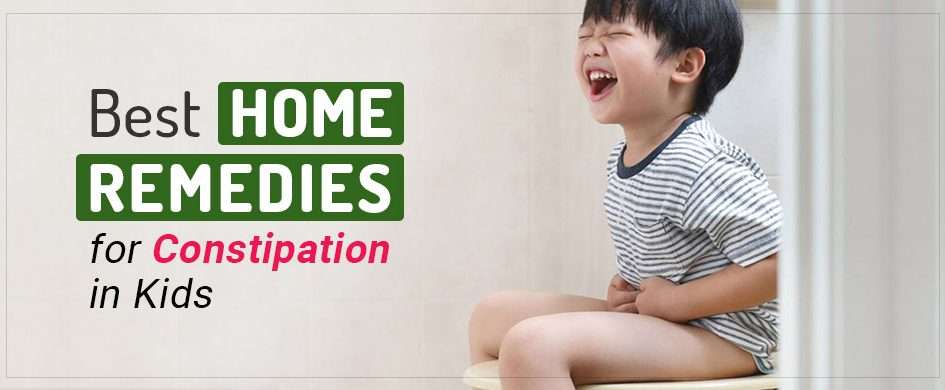
Constipation in children happens when bowel movements become difficult, painful, or less frequent than usual. A child may pass hard, dry stools or struggle while using the toilet. Many children also complain about tummy pain, bloating, or loss of appetite during constipation episodes.
Some children may also feel uncomfortable because of gas, bloating, or tummy discomfort during constipation episodes. Many parents use supportive digestive care options like Natural Hing Roll-On for Tummy to help comfort kids during stomach discomfort naturally.
According to the American Academy of Pediatrics, constipation is one of the most common digestive concerns in children, especially during toddler years and potty training stages.
Occasional constipation is common. However, frequent constipation can affect a child’s comfort, eating habits, sleep, and mood.
Common Causes of Constipation in Children
Constipation usually develops because of daily habits, diet changes, emotional stress, or bowel withholding. In many cases, several small factors work together.
Here are the most common causes parents should know:
1. Low Fibre Intake
Fibre helps stools stay soft and easy to pass. Children who eat fewer fruits, vegetables, seeds, or whole grains may develop constipation more often.
Kids usually prefer biscuits over broccoli and fries over fruits. Sadly, the digestive system does not celebrate that decision.
Foods rich in fibre include:
- Apples
- Pears
- Papaya
- Oats
- Chia seeds
- Sweet potatoes
- Green vegetables
- Whole grains
The National Institute of Diabetes and Digestive and Kidney Diseases recommends balanced fibre intake along with proper hydration for healthy bowel movements.
2. Not Drinking Enough Water
Water helps move waste through the intestines. When kids drink less water, stools can become dry and difficult to pass.
Hot weather, school routines, travel, or excessive screen time often reduce water intake without parents noticing.
Many toddlers stay so busy running around the house that drinking water feels like an unnecessary interruption to their adventures.
3. Stool Withholding
Some children ignore the urge to poop because:
- They fear pain
- They dislike public toilets
- They feel shy
- They do not want to stop playing
Holding stool for long periods makes it harder and larger inside the intestine. This creates a painful cycle where the child avoids the toilet even more.
4. Potty Training Pressure
Yes, potty training can trigger constipation.
Some children feel anxious during toilet training, especially if parents rush the process or react strongly after accidents.
A child may start withholding stool because they feel uncomfortable using the toilet. Over time, this habit can lead to constipation.
Signs potty training may affect bowel habits:
- Refusing to sit on the potty
- Hiding during bowel movements
- Crying while pooping
- Crossing legs or tightening body muscles
A calm and patient routine usually works better than pressure or punishment.
5. Excess Dairy Consumption
Milk is nutritious, but too much dairy may slow digestion in some children.
Several pediatric studies suggest that excessive milk intake can contribute to constipation, especially when children consume less fibre-rich food alongside dairy products.
Common examples include:
- Excess cheese
- Too much flavored milk
- Large amounts of paneer
- Ice cream regularly
Balance matters more than complete restriction.
6. Emotional Stress and Routine Changes
Children also react emotionally through their gut.
Changes like these may affect digestion:
- Starting school
- Traveling
- Family stress
- New siblings
- Changes in routine
- Lack of sleep
The gut and brain communicate closely. Stress can slow bowel movement patterns in many children.
Some toddlers even get constipated during vacations because their routine changes completely. Ironically, parents plan vacations to relax.
7. Lack of Physical Activity
Movement helps digestion.
Children who spend long hours watching videos, using tablets, or sitting indoors may experience slower bowel movements.
Daily physical activity supports intestinal muscle movement and healthy digestion.
Simple activities like:
- Running
- Jumping
- Cycling
- Dancing
- Outdoor play
can help naturally support bowel regularity.
Signs and Symptoms of Constipation in Children
Constipation symptoms vary from child to child. Some children show obvious discomfort, while others become unusually irritated or avoid eating.
Common signs include:
- Fewer than 3 bowel movements weekly
- Hard or dry stool
- Pain during bowel movement
- Tummy bloating
- Stomach cramps
- Loss of appetite
- Stool leakage in underwear
- Irritability
- Fear of using the toilet
Gentle tummy massage routines may also help children feel more relaxed during digestive discomfort. Some parents include Manjishthadi Abhyang Massage Oil as part of calming abdominal massage routines for kids.
Some children also develop small anal tears because of hard stool. This may cause slight bleeding or pain.
Best Vs Worst Foods For Constipation
Learn about the best and worst foods to help relieve constipation in kids, promoting digestive health with nutrient-rich options while avoiding foods that may worsen the condition. This guide offers practical insights for better tummy care.

Looking for natural remedies that provide fast constipation relief for babies, toddlers, and children? Read our detailed guide on Kids Constipation Quick Relief: 12 Natural & Safe Remedies for tummy massage tips, fibre-rich foods, hydration ideas, and child-friendly digestive support methods.
Foods That May Worsen Constipation
Certain foods may slow digestion when consumed excessively.
Foods parents should limit:
- Processed snacks
- Excess fast food
- Sugary drinks
- Refined flour products
- Too much cheese
- Deep-fried foods
This does not mean children can never enjoy pizza again. It simply means balance should win more often than junk food marathons.
How to Prevent Constipation Naturally
Prevention usually works better than repeated treatment.
Small daily habits can support healthy digestion and reduce constipation episodes significantly.
1. Build a Fibre-Rich Plate
Try including:
- Fruits
- Vegetables
- Seeds
- Whole grains
- Lentils
Colourful meals often encourage kids to eat better naturally.
2. Encourage Proper Hydration
Offer water throughout the day instead of waiting for children to ask.
You can also include:
- Coconut water
- Homemade soups
- Fresh fruit water-rich snacks
Some parents also include wellness-based daily nutrition routines with Herbal Chocovita (Milk Mix) or Nutriverse Kesar-Haldi Milk Mix to support healthy eating habits and balanced nutrition in children.
3. Create a Healthy Toilet Routine
Encourage children to sit on the toilet at the same time daily, especially after meals.
Consistency helps train bowel habits naturally.
Avoid forcing or scolding children during toilet training.
4. Reduce Screen Time During Toilet Visits
Many kids carry mobile phones into the bathroom and sit there for long periods without proper bowel movement focus.
Encourage distraction-free toilet habits.
5. Support Daily Physical Activity
Outdoor play improves more than mood and fitness. It also supports digestion.
Even 30–60 minutes of active movement daily can help maintain bowel regularity.
When Should Parents Consult a Doctor?
Occasional constipation is common. However, medical advice becomes important when symptoms continue or worsen.
Consult a pediatrician if your child has:
- Blood in stool
- Severe stomach pain
- Vomiting
- Weight loss
- Fever
- Persistent constipation lasting more than two weeks
- Painful bowel movements regularly
- Swollen abdomen
Parents should avoid giving laxatives without professional guidance.
Quick Relief Remedies for Constipation in Kids
If your child already has constipation and you need natural relief ideas, read our detailed guide on:
“Kids Constipation Quick Relief: 12 Natural & Safe Remedies”
That article covers:
- Home remedies
- Tummy massage techniques
- Fibre foods
- Hydration tips
- Fast constipation relief methods
- Yogurt and probiotic support
- Child-friendly digestive habits
It works as a practical quick-relief solution guide for parents.
FAQs
1. What is the main cause of constipation in kids?
Low fibre intake, poor hydration, stool withholding, excess dairy, and routine changes commonly cause constipation in children.
2. Can potty training cause constipation?
Yes. Some children develop constipation during potty training because of anxiety, fear, or withholding stool.
3. Does milk make kids constipated?
Excess dairy may contribute to constipation in some children, especially when fibre intake stays low.
4. How can parents prevent constipation naturally?
Balanced meals, enough water, physical activity, healthy toilet habits, and lower processed food intake can help prevent constipation.
5. When should constipation become a concern?
Parents should consult a doctor if constipation includes severe pain, vomiting, blood in stool, fever, or long-lasting symptoms.
Final Thoughts
Constipation in kids may look like a small tummy issue, but it can affect a child’s mood, appetite, comfort, and daily routine.
The good news is that simple lifestyle habits often make a huge difference.
Healthy meals, hydration, movement, emotional comfort, and a stress-free toilet routine can support your child’s digestion naturally.
And remember, if your toddler suddenly runs away every time you mention the potty, you are not alone. Parenting occasionally feels like negotiating with a tiny union leader.
At BabyOrgano, we bridge ancient wisdom with modern safety to bring you premium ayurvedic baby care products and natural kids care products. Crafted with 100% pure herbs, toxin-free formulations, and recommended by parents, our mission is to support your child’s healthy growth naturally. Visit our homepage to explore our safe, chemical-free collection designed for your little one's delicate skin and hair.
- Tags:
- Home Remedies


