 Skip to content

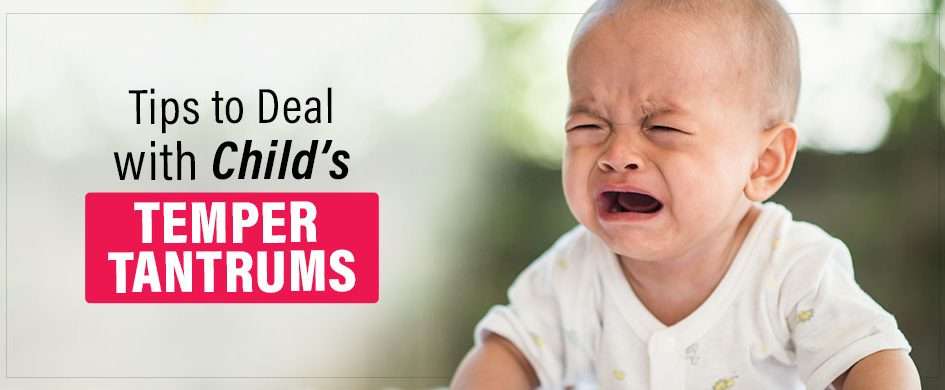
Tips to Deal With Child’s Temper Tantrums: Calm, Practical Ways That Really Help
- Written by Riddhi Sharma
- 4 min read
- Expert Medically Reviewed by Dr. Urvi Ashani, M.Pharm (Ayurveda), Ph.D | R&D Head, BabyOrgano | 13+ Years Experience in Pediatric Ayurvedic Care
Table of Contents
Every parent has faced it at least once.
You say “no” to another chocolate, and suddenly your sweet little child transforms into a tiny protest machine in the middle of the supermarket.
Temper tantrums can feel exhausting, confusing, and sometimes embarrassing. But here’s the good news: tantrums are a normal part of childhood development. They do not mean your child is “bad,” spoiled, or emotionally weak.
Young children still learn how to manage frustration, disappointment, hunger, tiredness, and overwhelming emotions. Since they cannot fully express those feelings with words yet, emotions often come out through crying, screaming, kicking, or throwing things.
According to the American Academy of Pediatrics, tantrums commonly happen between ages 1 and 4 because emotional regulation develops gradually during early childhood.
The challenge for parents is not to “stop” emotions. The real goal is to teach children healthier ways to express them.
This guide covers practical, child-friendly, and research-backed ways to handle temper tantrums calmly without shouting, threatening, or losing your own peace of mind.
What Causes Temper Tantrums in Children?
Before solving tantrums, it helps to understand why they happen.
Most tantrums start because children experience emotions that feel too big for them to handle.
Common triggers include:
- Hunger or tiredness
- Overstimulation
- Frustration
- Wanting independence
- Difficulty communicating
- Changes in routine
- Feeling ignored
- Not getting what they want
A toddler’s brain is still developing emotional control. The part responsible for impulse management and reasoning is not fully mature yet. That is why small situations may feel huge to them.
Sometimes tantrums also increase when children feel physically uncomfortable due to congestion, poor sleep, gas, or tummy discomfort they cannot properly explain. In such situations, many parents also focus on improving their child’s comfort with routines and supportive care like Natural Hing Roll-On for Tummy or Cold & Congestion Relief Roll-On during seasonal changes.
Children may also become more irritable during weather changes when sleep and comfort levels get affected. Supporting overall wellness and immunity with products like Panch Tulsi Concentrated Drops can help parents maintain healthy daily routines during seasonal transitions.
Understanding this changes everything. Instead of reacting with anger, parents can respond with patience and guidance.
1. Don’t Stop Your Child From Expressing Emotions
Children need emotional expression just like adults do.
Imagine someone telling you to “calm down immediately” when you are upset. It rarely works. The same applies to children.
Instead of suppressing emotions, help your child express them safely.
You can say:
- I know you’re upset.
- You’re angry because you wanted that toy.
- It’s okay to feel sad.
This approach helps children feel heard and emotionally secure.
That does not mean allowing destructive behaviour. Hitting, throwing objects, or hurting others should never be accepted. Calmly set boundaries while still validating feelings.
For example:
I understand you’re angry, but we do not throw toys.
Research from Harvard University’s Center on the Developing Child shows that children build emotional regulation skills through supportive interactions with caregivers.
2. Stay Calm Even When Your Child Is Not
This may sound simple, but it is one of the hardest parenting skills.
When children scream, parents naturally feel stressed. Public tantrums can especially trigger frustration because of social pressure and judgment from others.
But reacting with shouting often worsens the situation.
Children learn emotional behaviour by observing adults. If parents lose control, children may copy the same response pattern.
Try these quick calming techniques:
- Take one deep breath before responding
- Lower your voice instead of raising it
- Speak slowly and clearly
- Avoid arguing during the meltdown
Think of yourself as your child’s emotional anchor. Your calmness helps their nervous system settle faster.
And yes, parents are human too. Feeling frustrated is completely normal. The goal is not perfect parenting. The goal is controlled reactions.
3. Use Distraction the Smart Way
Distraction works surprisingly well with toddlers and younger children.
When kids cannot communicate properly, frustration builds quickly. Redirecting their attention can help break the emotional cycle before the tantrum becomes intense.
For example:
- Suggest a favourite game
- Point toward something interesting
- Offer a change in activity
- Take them outdoors
- Start a silly conversation
Humour also helps.
A playful voice or funny facial expression can sometimes stop a meltdown faster than a lecture ever will.
Picture this:
Your child cries because the banana broke in half. Instead of turning it into a courtroom debate, pretend the banana became a “banana train” with two compartments.
Toddlers often respond better to creativity than logic.
However, distraction should not become emotional avoidance. Once your child calms down, acknowledge their feelings and talk gently about what happened.
4. Show Affection During Emotional Outbursts
Sometimes children do not need solutions. They simply need comfort.
A hug, gentle touch, or sitting quietly beside them can help them feel safe during emotional overload.
Physical reassurance may reduce stress hormones and help children regulate emotions more effectively.
Some children want closeness immediately. Others need a little space first. Pay attention to your child’s cues.
Simple gestures can help:
- Hold their hand
- Offer a hug
- Stroke their back
- Sit beside them quietly
Many parents also include calming bedtime massage routines to help children relax emotionally after stressful days. A gentle massage with Manjishthadi Abhyang Massage Oil can become part of a soothing nighttime bonding routine for kids.
You are not “rewarding bad behaviour” by showing affection. You are teaching emotional security.
The Centers for Disease Control and Prevention (CDC)
highlights that responsive parenting supports healthy emotional development in children.
5. Move to a Quiet Place During Public Tantrums
Public tantrums feel stressful because everyone suddenly becomes an “expert parent” with silent opinions.
But children do not throw tantrums to embarrass parents. They simply lose emotional control.
If your child has a meltdown in public:
- Stay calm
- Avoid yelling
- Move them gently to a quieter space
- Speak softly
- Let them calm down safely
A quieter environment reduces stimulation and helps children regulate emotions faster.
Avoid threatening statements like:
- Everyone is watching you.
- Stop crying right now.
- I’ll leave you here.
These responses may increase fear and emotional distress.
Instead, reassure them:
I’m here. Let’s calm down together.
Sometimes the best parenting move is simply leaving the shopping cart and prioritising your child’s emotional needs over grocery timing.
Yes, the ice cream can wait.
6. Talk About the Tantrum After It Ends
The best teaching moment comes after the meltdown, not during it.
Once your child feels calm again, discuss what happened in a simple and supportive way.
Ask questions like:
- “What made you upset?”
- “How were you feeling?”
- “What can we do differently next time?”
This helps children identify emotions and improve communication skills.
You can also teach emotional vocabulary:
- Angry
- Frustrated
- Disappointed
- Nervous
- Sad
Activities that improve focus, learning, and emotional understanding can gradually help children express themselves better. Many parents also look for supportive wellness routines and products like Ayurvedic Brain Booster Syrup to support concentration and cognitive development during growing years.
Storybooks and cartoons can help too. Ask your child why a character feels upset or happy. These small conversations build empathy and emotional intelligence naturally.
7. Create Routines That Reduce Tantrums
Many tantrums happen because children feel overwhelmed, tired, or hungry.
Predictable routines help children feel secure.
Try maintaining consistency with:
- Sleep schedules
- Meals and snacks
- Playtime
- Screen time
- Bedtime routines
According to the National Sleep Foundation, poor sleep can affect a child’s mood, emotional control, and behaviour.
Simple bedtime habits like storytelling, quiet play, and warm milk routines can help children relax before sleep. Many parents also include nutritious wellness drinks like Herbal Chocovita (Milk Mix) or Nutriverse Kesar-Haldi Milk Mix as part of healthy evening routines for kids.
Children who follow healthy routines and receive proper nutritional and immunity support often manage emotions better over time. Many families also include wellness supplements like Baalprashan Swarnaprashan Drops in their child’s daily routine to support overall growth, immunity, and cognitive wellness.
And honestly, even adults become dramatic without sleep. Children simply express it louder.
8. Know When Tantrums May Need Professional Support
Most tantrums are completely normal. However, parents should seek guidance if tantrums become:
- Extremely aggressive
- Frequent beyond age expectations
- Harmful to the child or others
- Difficult to manage regularly
- Linked with developmental concerns
A pediatrician or child psychologist can help evaluate emotional or behavioural challenges if needed.
Early support can make parenting easier and help children develop healthy coping skills sooner.
Common Parenting Mistakes During Tantrums
Many parents unintentionally worsen tantrums because they react emotionally in the moment.
Avoid these common mistakes:
Giving In Immediately
If children learn that screaming guarantees rewards, tantrums may increase.
Shouting Back
Anger often escalates emotional intensity instead of calming it.
Using Shame
Statements like “good children don’t cry” can affect emotional confidence.
Expecting Adult-Level Behaviour
Children are still learning emotional regulation. Progress takes time.
Final Thoughts
Temper tantrums can feel overwhelming, especially after a long day or in public places. But tantrums are not signs of failed parenting.
They are signs that a child still learns how to handle big emotions in a small body.
The way parents respond during these moments shapes a child’s emotional development for years ahead.
Staying calm, validating feelings, setting healthy boundaries, and teaching emotional expression can slowly reduce tantrums over time.
Some days will still feel messy. Some supermarket trips may still end dramatically. That is part of parenting too.
What matters most is not raising a “perfectly quiet” child. It is raising a child who eventually learns to understand emotions, communicate better, and feel emotionally secure.
And sometimes, surviving a tantrum without losing your own temper deserves a parenting award too.
Frequently Asked Questions About Child Temper Tantrums
1. Why do children throw temper tantrums?
Children throw temper tantrums because they are still learning how to manage big emotions like anger, frustration, sadness, or disappointment. Toddlers and young kids often struggle to communicate their feelings clearly, which can lead to crying, screaming, or aggressive behaviour. Hunger, tiredness, overstimulation, and changes in routine can also trigger tantrums.
2. What is the best way to calm a tantrum?
The best way to calm a tantrum is to stay calm yourself first. Speak softly, acknowledge your child’s feelings, and help them feel safe. Distraction, hugs, gentle reassurance, or moving to a quieter place can also help children regulate emotions faster. Avoid shouting or threatening during the meltdown because it can increase emotional stress.
3. Are tantrums normal in toddlers?
Yes, tantrums are completely normal in toddlers, especially between ages 1 and 4. During this stage, children are developing emotional control, communication skills, and independence. Occasional tantrums are considered a healthy part of emotional development.
4. How long do temper tantrums last?
Most temper tantrums last anywhere between a few minutes to around 15 minutes, depending on the child’s age, personality, and emotional state. Tantrums may last longer when children feel tired, hungry, overwhelmed, or unable to calm themselves quickly.
5. Should parents ignore tantrums?
Parents should not completely ignore tantrums, especially when children feel emotionally overwhelmed. Instead, parents should stay calm, ensure the child’s safety, and avoid rewarding negative behaviour. Ignoring attention-seeking behaviour may help in some situations, but children still need emotional support and guidance during difficult moments.
6. When should tantrums become a concern?
Tantrums may need professional attention if they become extremely aggressive, happen very frequently, last unusually long, or continue beyond the expected developmental stage. Parents should also seek guidance if a child hurts themselves, harms others, or struggles with emotional regulation regularly.
7. How can routines reduce tantrums?
Healthy routines help children feel secure and emotionally balanced. Consistent sleep schedules, proper meals, playtime, and bedtime habits can reduce stress and irritability in children. Well-rested children usually handle frustration better than overtired or overstimulated kids.
8. What should parents avoid during tantrums?
Parents should avoid shouting, threatening, shaming, or reacting aggressively during tantrums. Giving in immediately to demands can also reinforce the behaviour. Comparing children, using harsh punishments, or expecting adult-level emotional control can make tantrums worse instead of improving them.
- Tags:
- Parenting tips


